2026.03.19
 Branschinformation
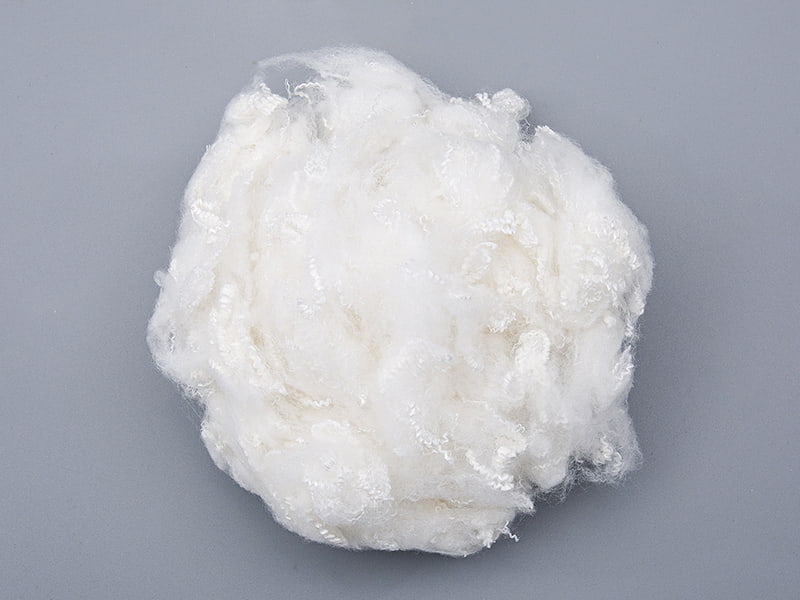
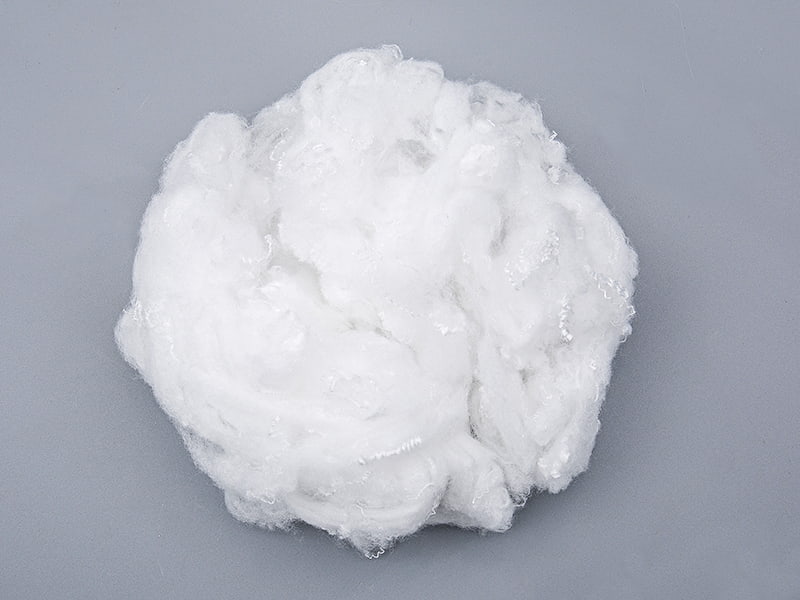
Polyester stapelfiber är en av de vanligaste syntetiska fibrerna i textilindustrin, känd för sin hållbarhet, mångsidighet och prestanda. Jämfört med andra syntetiska fibrer sticker polyesterstapelfibrer ut på grund av dess egenskaper som möter behoven hos både konsumenter och tillverkare.
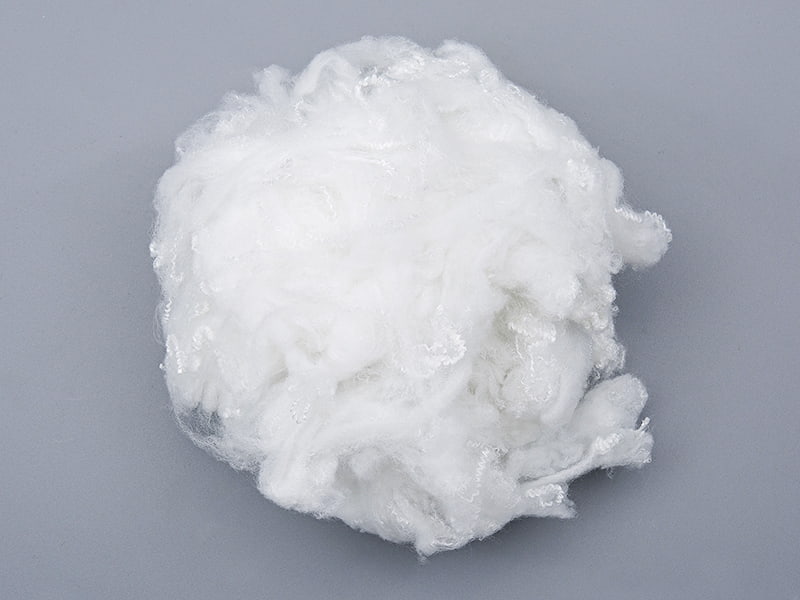
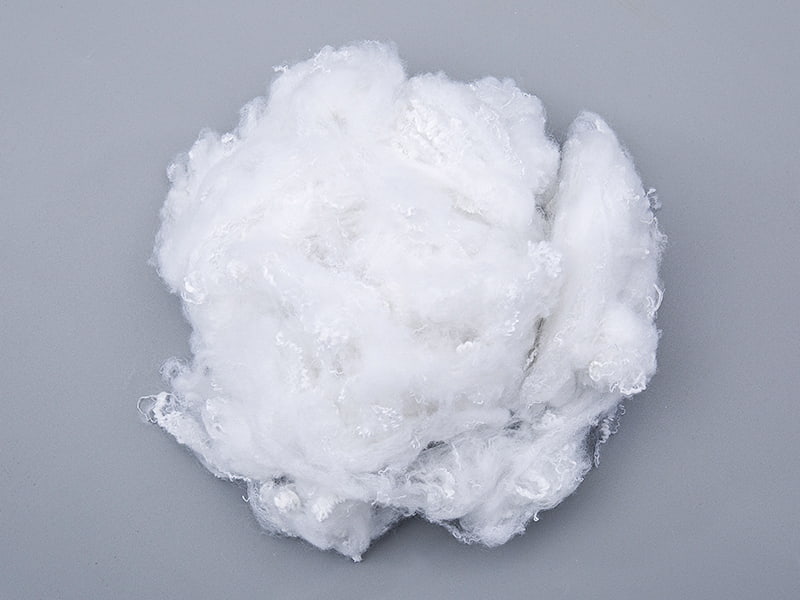
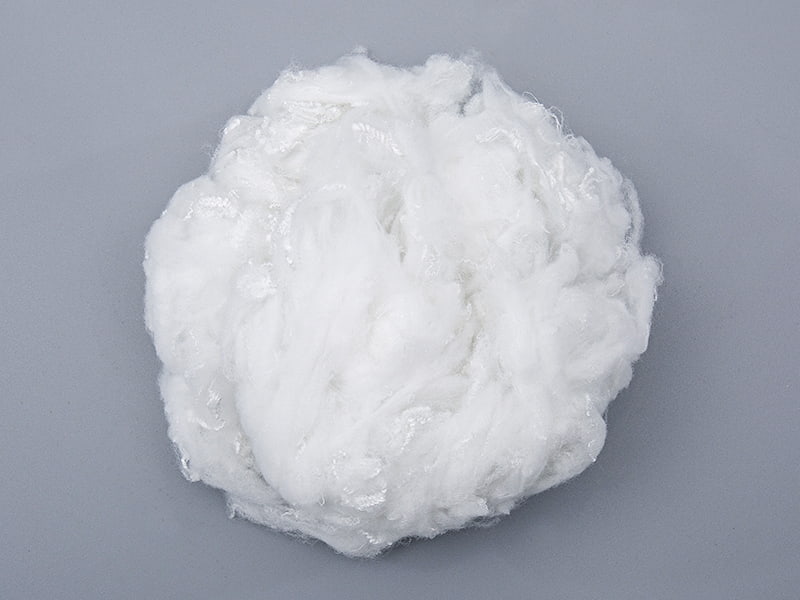
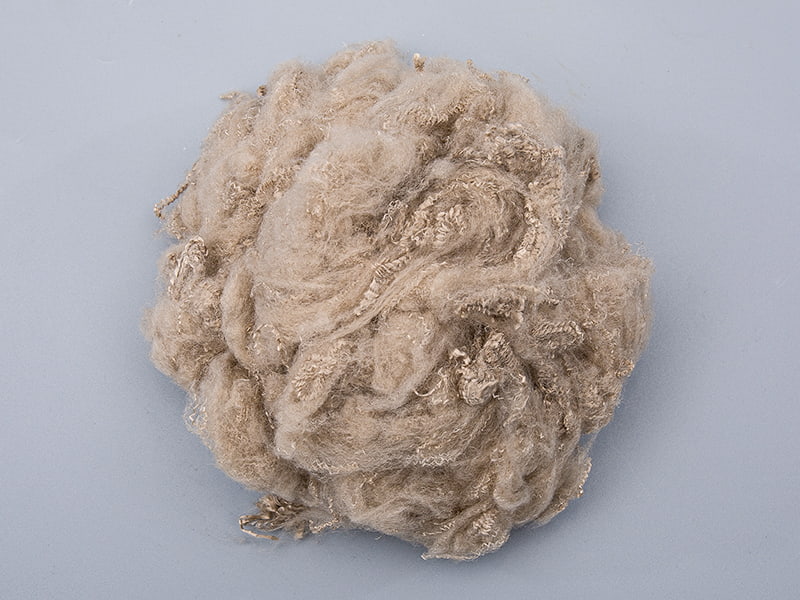
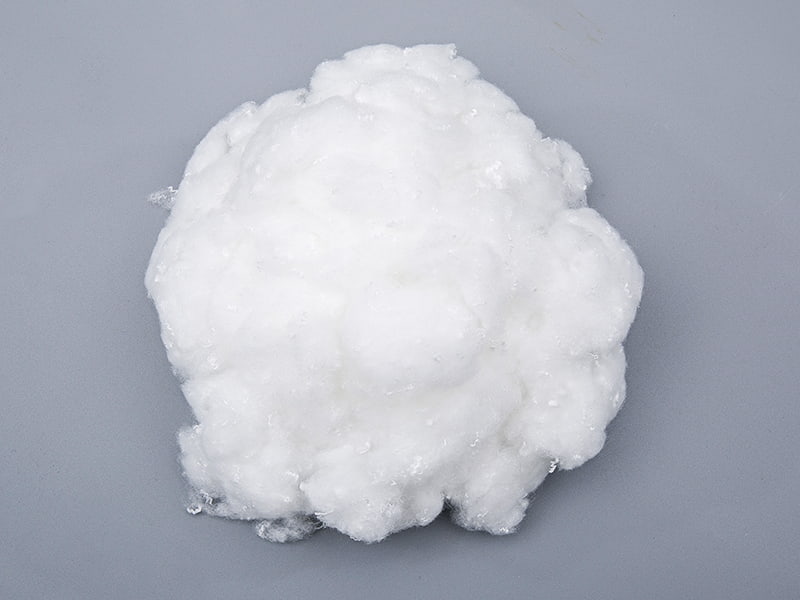
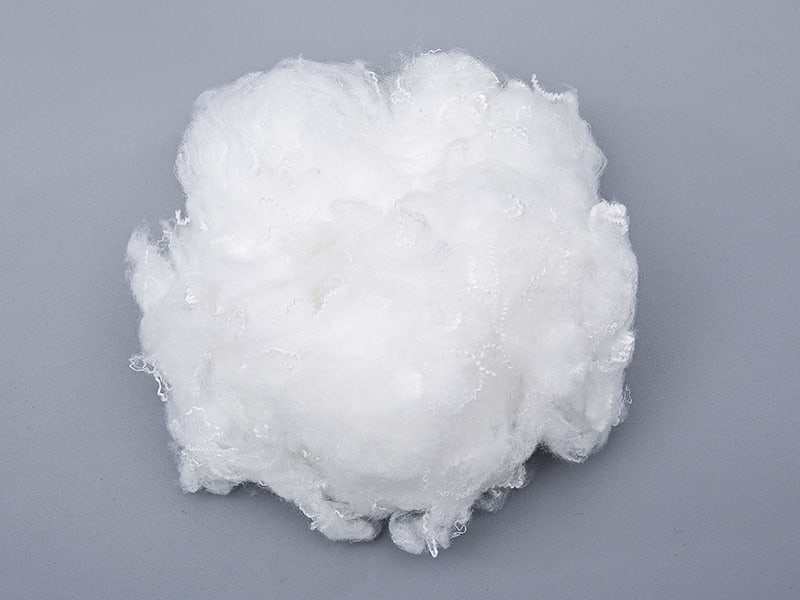
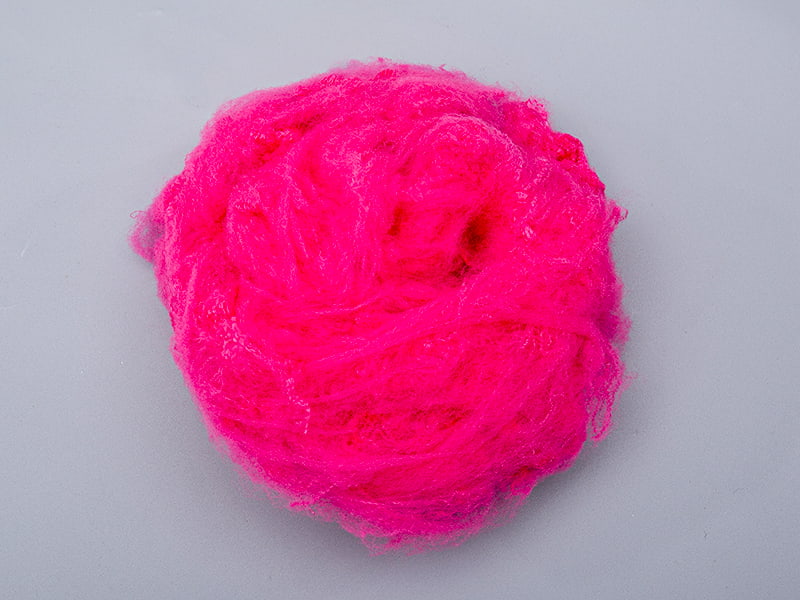
Polyesterstapelfibrer är gjorda av syntetiska polymerer, främst polyetylentereftalat (PET). Den produceras genom en spinnprocess, vilket skapar korta fibrer som sedan skärs till stapellängder för vidare användning i textilier. Fibrerna är konstruerade för att vara lätta, mycket hållbara och resistenta mot olika miljöfaktorer, vilket gör dem idealiska för olika användningsområden inom mode, sport och industriella textilier.
En viktig egenskap hos polyesterstapelfibrer är dess fukttransporterande förmåga. Denna speciella egenskap, som är ett resultat av fiberns form och textur, underlättar absorptionen av svett och dess snabba spridning till tygets yta, där den avdunstar snabbt. Materialet andas också, vilket bidrar till en torr och bekväm upplevelse, särskilt under högintensiva aktiviteter.
Syntetiska fibrer är populära val i moderna textilier på grund av deras hållbarhet och mångsidighet. Prestandan för varje fiber kan dock variera avsevärt beroende på faktorer som draghållfasthet, motståndskraft mot slitage och förmåga att motstå miljöpåfrestningar. Polyesterstapelfibrer jämförs ofta med andra allmänt använda syntetiska fibrer, såsom nylon, akryl och polypropen, var och en med sina unika egenskaper.
Specialfibrer, inklusive de som används i aktiva kläder och prestandatextilier, innehåller ofta polyesterstapelfibrer på grund av dess exceptionella hållbarhet och fukttransporterande egenskaper. Polyesterstapelfibrernas mångsidighet gör att den kan bearbetas till olika former, såsom katjoniska färgämnen eller lättfärgade fibrer, vilket utökar dess användningsområde på olika marknader, från mode till industriella textilier.
Möjligheten att integrera anpassade fiberformer och texturer i polyesterfibern ger den en konkurrensfördel i produktprestanda. Till exempel ökar polyester med unika tvärsnittsformer ytarean, förbättrar fukthanteringen och förbättrar komforten.
Polyesterstapelfibrernas hållbarhet gör den till ett idealiskt val för ett brett spektrum av applikationer, från sportkläder till industriella textilier. Det används ofta i produktionen av fukttransporterande tyger för aktiva kläder, vilket säkerställer komfort och prestanda under fysiska aktiviteter. Det används även i hemtextilier, inklusive möbelklädsel och gardiner, på grund av dess långvariga egenskaper och motståndskraft mot fläckar och miljöslitage.
De fukttransporterande egenskaperna hos polyesterstapelfibrer gör den till ett toppval för idrottare. Oavsett om den används i prestandakläder eller utrustning ger fibern komfort genom att hålla huden torr och säkerställa andningsförmåga.
Polyesterstapelfibers förmåga att motstå slitage gör den till ett val för industriella tillämpningar, inklusive filtreringsmaterial, rep och linor. Dess motståndskraft mot miljöfaktorer säkerställer lång livslängd under dessa utmanande förhållanden.
Inom mode och klädsel gör polyesterns hållbarhet och färgbeständighet det till ett pålitligt alternativ. Dess förmåga att tåla upprepad tvätt, nötning och UV-exponering säkerställer att plagg och heminredning förblir funktionella och attraktiva under längre perioder.
| Egendom | Polyester stapelfiber | Nylon | Akryl | Polypropen |
|---|---|---|---|---|
| Draghållfasthet | Hög | Mycket hög | Måttlig | Måttlig |
| Fukttransporterande | Utmärkt | Stackars | Måttlig | Utmärkt |
| Nötningsbeständighet | Utmärkt | Måttlig | Stackars | Måttlig |
| UV-beständighet | Hög | Låg | Måttlig | Hög |
| Kemisk beständighet | Hög | Måttlig | Låg | Mycket hög |
Polyesterstapelfiber är en mångsidig och hållbar syntetfiber som överträffar många andra material på nyckelområden, såsom fukttransport, styrka och miljöbeständighet. Medan andra syntetiska fibrer som nylon, akryl och polypropen har sina egna fördelar, erbjuder polyesterstapelfibrer en väl avrundad kombination av hållbarhet, komfort och långvarig prestanda. Dess breda användningsområde, från aktiva kläder till industriella textilier, gör det till ett pålitligt och kostnadseffektivt val för både tillverkare och konsumenter.
1. Vad gör polyesterstapelfibrer hållbara jämfört med andra fibrer?
Polyesterstapelfibrer är kända för sin höga draghållfasthet, motståndskraft mot UV-ljus och minimalt slitage över tid, vilket gör det till ett mer hållbart val än andra fibrer som nylon eller akryl.
2. Är polyesterstapelfibrer fukttransporterande?
Ja, polyesterstapelfibrer har fukttransporterande egenskaper, vilket hjälper till att hålla huden torr och bekväm under fysisk aktivitet.
3. Kan polyesterstapelfibrer användas för utomhustextilier?
Ja, polyesters UV-beständighet och hållbarhet gör den lämplig för utomhustextilier, inklusive aktivkläder och utomhusutrustning.
4. Hur är polyesterstapelfibrer jämfört med nylon när det gäller hållbarhet?
Även om både polyester och nylon är hållbara, är polyester mer resistent mot UV-nedbrytning och nötning, vilket gör det till ett mer hållbart val i många applikationer.
5. Är polyesterstapelfibrer miljövänliga?
Polyesterstapelfibrer kan tillverkas av återvunnet material, vilket bidrar till dess hållbarhet. Dess miljöpåverkan beror dock på produktionsprocesserna och återvinningsalternativen vid uttjänt livslängd.
Emon Technology är villig att uppriktigt gå med i händerna med dig, samarbeta för win-win-resultat och skapa glans tillsammans!
Tel: +86-512-63679088
Email: [email protected]
[email protected]
[email protected]
[email protected]
[email protected]
Add:Söder om 318 National Highway, Miaotou Village, Meiyan, Wujiang, Jiangsu
Copyright © Suzhou Emon New Material Technology Co., Ltd. All rights reserved.